More Wine Adventures...

More Wine Adventures...
For more of Randy's tasting notes, organic wines and recipes, vinous songs, poetry, ruminations... visit www.culinarywineandfood.com

Saturday, January 16, 2010

Remembrances of menus past (Roy’s through the years)


During the years that James Beard Award winning Chef Roy Yamaguchi and I worked together in our Roy’s restaurants (from late 1988 to 2001), composing dishes for specific wines became, for us, a kata-like discipline; and admittedly, we often combined sensations just to see what would happen, particularly among our guests. Never a dull moment at Roy’s, but at least we lived and learned.

We also collaborated with dozens of world’s most inventive chefs and wine personalities to stimulate ourselves, our staffs, and of course, to entertain our masses. Figures like Joachim Splichal, Paul Bocuse, Paul Draper, Traci Des Jardins, Kermit Lynch, Jim Clendenen, Madeleine Kamman, Randall Grahm, George Morrone, David Ramey, Mark Miller, Tony Soter, Cory Schreiber, David Rosengarten, Jeremiah Tower, Ronn Wiegand, Nobu Matsuhisa, Joy Sterling, Bradley Ogden, Ken Wright, Drew Nieporent, John Williams, Mark Miller, Julie Johnson, John Ash, Lynn Penner-Ash, Emanuela Stucchi Prinetti, Pamela Starr, Jonathan Waxman, George Bursick, Kazuto Matsusaka, and the late Jack and Jamie Davies (not to mention all the talented, inventive Hawaiian Regional Cuisine chefs – such as Roy’s close friend, Alan Wong – thriving in our own backyard) all marched through our doors in the Islands, sometimes several times over, to help us discover just how far we could stretch the boundaries of contemporary food and wine matching.

The memories, like belted experiences, live on in stacks of menus and newsletters. Here are some of the more memorable ones:


A DINNER for ‘45s
July 1991

The easiest way to handle classic, well matured French wines is to serve white fish with beurre blanc, followed by roast beef or grilled lamb in natural jus; but where is the fun in this predictable progression?

Yamaguchi and I were constantly called upon to devise menus for serious private collectors looking for a little more thrill than what they would normally do for themselves at home. Re this dinner in 1991, highlighted by two classic ’45 Bordeauxs:

Lobster Terrine with Asparagus, Olives & Mustard Aioli
Krug, Champagne 1975

Lasagnette of Wild Mushrooms, Sweet Basil & Pistachio
Montrachet, Louis Latour 1983

Wood Roasted Squab with Confit of Onion & Potato
Zind-Humbrecht, Tokay-Pinot Gris “Clos Saint-Urbain” 1983

Grilled Lamb Chop in an Explorateur Thyme Sauce

Château Mouton-Rothschild 1945
Château Latour 1945

Tropical Fruit Blanc-Manger
Château d’Yquem 1967

The simplicity of layering sheet pasta with a lightly creamed, scented basil and lobster sauce, and a royal mixture of nostril tingling fungus (chanterelles, enokitake, oysters, morels, shiitakes, and the like) with the creamy-sweet scent of pistachio, struck a resonating chord with soft, smoky, earthen, mildly nut toned taste of the eight year old Montrachet.

Super-powered (or “Parkerized”) whites from Alsace always present a culinary challenge, but the caramelized sweetness and oils combined in the squab and confit gave the huge (14%), fleshy, exotically sweet edged Zind-Humbrecht more than enough to take its measure.

I always liked the idea of blending a magnificent triple crème (Explorateur) and thyme into a natural sauce as a way of filling out the full scaled opulence of a classic Pauillac (the Mouton and Latour) at the height of maturity, without bruising the polish and bouquet that took years to build.


A SOCIETY of BACCHUS AMERICA BACCHANALIA
November 1994

Flat Iron Grilled Scallops with Crispy Lumpia & Mango
Pouilly-Fumé, Baron de Ladoucette 1990 & 1989

Hawaiian Seafood Sausage with Caramelized Fennel, Maui Onion & Tuscan White Beans
Riesling “Clos Ste. Hune,” Trimbach 1981 & 1976

Wood Roasted Rocky Senior Chicken with Kona Lobster, Sweetbreads & Truffle Oil
Corton-Charlemagne, Louis Latour 1983 & 1979

Full Moons of Oxtail with Porcini, BoKe’ Farm Escargot & Foie Gras
La Tache, Domaine de la Romanée-Conti 1972
Vosne Romanee “Les Petits Mons,” Leroy 1972

Kupua Cooperation Ranch Lamb with Puna Chèvre Crêpinette
Château Gruard Larose
1961 Double Magnum
1953 Magnum
1943 Jeroboam

Fresh Hawaiian Poha Berry Crème Brûlée
Château d’Yquem 1976

Vintage Hawaiian Chocolate Petits Fours
Blandy’s Malmsey, Solera 1808

What is it about wine collectors with d’Yquem and DRC? These wines became unavailable to the common wine lover (and even to the common wine professional) long ago; but there were still many occasions to have fun with them. The poha berry is a wild, natural Hawaiian variant of the gooseberry (it’s said New Zealand sauvignon blancs smell like gooseberries), and its typically soured green, sticky/oily sweetness added a sharpness to the palate that the big, fat vintage of d’Yquem perhaps lacked. The crème creaminess was just enough to make the contrast work.

If, of course, this was even noticed at the end of this Bacchanalian feast. For me, the highlight was the smoke tinged, free range chicken rolled with sweetbreads and lobster and bathed in a silky, sensuous double (or was it triple?) strength natural stock. If ordinary California chardonnay is for everyday roast chicken, this was surely the answer for the heady, charred, expansively matured Corton Charlemagne, electrified by its mildly acidic underpinnings and stony notes of terroir.

Steamed rounds of Asian rice paper were used to wrap slow roasted oxtail punctuated with goose liver, porcini and the meat of Hawaiian raised snails. It’s a far cry from beef vin à la bourguignonne, but pretty much accomplishes the same earthy, soft, savory meatiness that classic red Burgundy calls for.


DINNER for DAVID ROSENGARTEN of RED WINE with FISH FAME
June 1993

1 – The Salty Solution:
Rare Ponzu ‘Ahi Tuna with Sticky Mountain Potato Relish & Olive Soy Vinaigrette
Gunderloch, Nackenheimer Rothenberg Riesling Kabinett 1991

2 – The Acid Test:
Shellfish Donut Salad with Crispy Potatoes & Hazelnut Caviar Vinaigrette
Savennières, Château d’Épire “Cuvée Spéciale” 1991
Jurançon “Sec,” Clos Girouilh 1991

3- That Red Wine with Fish Thang:
Grilled Shutome (Hawaiian Swordfish) with Puna Chèvre Crêpinette and Bandol Sauce
Bandol, Domaine Tempier “Cuvée Spéciale” 1988
Au Bon Climat, Santa Maria Valley Pinot Noir 1991

4 – The Real Red Hot Chili Peppers:
Grilled Wild Boar in Korean Style Sauce

Roy’s “Anniversary Cuvée” 1989 Sparkling Wine (by Iron Horse, Green Valley)

5 – Some Like It Hot… and Sweet:
Bistro Style Nectarine Tatin
Vouvray “Moelleux,” Champalou 1989

It was a thrill for us to have the respected food and wine writer, David Rosengarten, entertain our guests; so we decided to entertain him in turn with some culinary points from his own classic treatise, Red Wine with Fish (composed with Joshua Wesson).

Admittedly, in the first course, the slippery, sticky taste of Japanese mountain potato (or satoimo - also undoubtedly the hairiest potato in the world) is an acquired one, but it added a textural dimension to the onslaught of interacting sensations (re the penetrating citrus of ponzu, the fatty red flesh of raw Hawaiian tuna, and the saltiness of soy) we wanted the Gunderloch riesling’s pointedly sweet/tart/stony character to play with.

Savennières (from the northerly Loire) and Jurançon (the French South-West) come from opposites sides of France, but are two of the most acidic white wines in the world (so also an acquired taste); but a circle of barely seared scallops and shrimp drizzled in a vinaigrette touched up with steely black roe reduced the wines’ perception of sharpness, allowing fruity flavors to mingle.

Hawaiian shutome is more tender and meatier than the usual type of swordfish; but by putting it in the context of red meat flavors (pungent, herbed Chèvre and minced meat wrapped in caul fat, and veal stock reduced with Bandol), we could swing that “red-wine-with-fish thang.”

I’ve always thought the best way to freshen the palate between doses of, say, hot, garlicky Korean spices is with a dry, effervescent sparkling wine such as that memorable ’89 “Anniversary Cuvée,” which I had personally blended (at Iron Horse Vineyards with Forrest Tancer) as an aggressively yeasty, crisp yet silken textured, faintly pink tinged pinot noir based blend. Also, as it were, a handy way of showing that fine and unique sparklers need never be relegated to the role of apéritif.


WHEN BOCUSE CAME to LUNCH
April 1994

Paul Bocuse dropped by after wading to shore from a Hawaiian canoe ride manned by six muscular, if not downright gorgeous, wahine just outside our restaurant windows. Of course, this was all carefully staged for press and everyone’s amusement, including this menu which makes an interesting study of progression through subtle variations of classic French champagne:

Fresh Island Mahi Mahi with Crispy Ogo & Sea Vegetables in Sesame Uni Sauce
Mumm, Cordon Rouge Brut

Kiawe Smoked Lobster Sausage with White Beans & Nalo Farm Greens in Cordon Rouge Caviar Vinaigrette
Mumm, Cordon Rouge Brut “Millésimé” 1988

Napa Valley Rabbit with Puna Chèvre Hash & Mexican Mint Marigold Mustard Sauce
Mumm, “René Lalou” Brut 1985


According to John Heckathorn, the longtime editor of Honolulu magazine who we sat next to Bocuse, the best part of the first course was not the flaky white, quintessentially Hawaiian fish (mahi mahi) itself, but the tiny, lightly batter crisped mounds of ogo (green Hawaiian seaweed) on the plate. I liked the ogo touch because it gave us the airy lightness and textural relief as a counterpoint to the silky beurre blanc, reflecting the crisply acidic yet finely textured contrasts in classic nonvintage champagne. Toasted sesame seeds mingled with the wine’s yeastiness, and the uni (sea urchin) gave the sparkler’s acidity something to bite into.

Mumm’s vintaged bottlings are fuller and yeastier, but still fluid and finesseful. Kiawe (Hawaiian mesquite) wood smokiness in the lobster sausage and specks of pancetta amidst the al dente white beans splashed with the champagne vinaigrette and three colors of caviar (mackerel, flying fish and sturgeon) effectively raised the intensity level without running roughshod over the wine’s length and grace.

But don’t take my word for it. Heckathorn went on to write (in Honolulu magazine), on Yamaguchi’s rabbit: During the last course I finally got Bocuse to comment on the food (up until then he was just cleaning his plates). A dish more typical of France than Hawaii, the rabbit was presented as a tenderloin sliced atop a hash made of Hawaiian goat cheese and mashed potatoes, the rack, its tiny bones still intact, served on the side… the bones gave you pause because you were reminded you were eating a real animal. But this was the best rabbit I’ve ever had, full-flavored yet mild.

My concern, of course, was complimenting the more intensely yeasted, caramelized, meatier texture of the “René Lalou.” The use of Chèvre gave a natural touch of similarity to the champagne’s acidity, but the brothy rabbit stock laced with the flowery, mildly licorice/tarragon-like quality of Mexican mint marigold was what really did the trick for me: giving a contrasting definition to both the well matured champagne and the meager white meatiness of the rabbit.


ADVENTURES with KERMIT LYNCH
April 1997

Kermit Lynch’s visits were almost yearly affairs, and we particularly enjoyed working with his French vin de pays (but not so much his high ranked Burgundy and Rhône Valley crus) because they would prompt us to stretch our culinary wings. One of the more adventurous forays:

Hawaiian ‘Ahi Tuna Three Ways --
Maui Onion Poke, Tiger Eye Roll & Blackened Rare in Hot Soy Mustard Vinaigrette
Mercurey “Les Montots,” A. et P. de Villaine 1994

Island Style Bouillabaisse
(Pacific Shellfish and Dumplings in Saffroned Super-Natural Broth)
Montlouis “Les Tuffeaux,” Francoise Chidaine 1995

Napoleon of Fresh Opakapaka, Scallops & Lobster
(with Braising Greens in Essence of Kona Lobster Sauce)
Tursan, Baron de Bachen 1993

Confit of Lamb & Roasted Garlic Salad
(with Nalo Farm Asian Mesclun in Warm Balsamic & Herb Reduced Natural Jus)
Irouleguy, Domaine Arretxea 1995

Hawaiian Vintage Chocolate Truffles with Anglaise & Kona Coffee Sauces
Banyuls, Domaine la Tour Vieille 1994

Served almost cold, modestly scaled pinot noir based reds like Mercurey are an easy choice with raw tuna, especially with earthy mustard, sweet onion and sesame oil components.

Bouillabaisse may be more typical of Provence than the Loire where the steely dry, chenin blanc based Montlouis is grown, but there is something about fragrant salinity of Pacific Island fish that rings true with the stony, chalky, lemony sharp qualities of the wine, especially when couched in the richly organic, flowery taste of saffron fused into a concentrated stock. A great example of the liberties that may be taken far from a wine’s region of origin.

Tursan has always been one of my all-time favorite whites: vinified from the little known baroque grape in South-West France, it mixes a creamy edged dryness with a lightly acidic core and fragrance that is positively tropical (mango, passion fruit, and papaya), making a strangely natural (supernatural?) fit with sweet Hawaiian snapper in lobster essences. What an undiscovered treasure!

Irouleguy is a rambunctiously black, peppery Basque blend of tannat and cabernet sauvignon, with a chewy texture to boot. But the wine has soul, and is really not so big in the final analysis; and so with the contrasting sweetness of lamb confit and balsamic jus, plus the balancing taste of mildly bitter Asian mesclun, the exotic nature of this red could start to gel.

Merlot master, Marco Cappelli

A FESTIVAL of MERLOTS with TAMARA MURPHY
July 1996

We’ve always covered the world’s waterfront of alternative style wines, but there was also a ton of work done with the “standard” varietals. The following menu was conceived by Roy Yamaguchi in collaboration with Seattle’s James Beard Award winning Tamara Murphy (at that time, presiding at Campagne). The guest winemakers present at this dinner in Honolulu: David Lake MW (Columbia Winery), Tom Rinaldi (Duckhorn Vineyards), Marco Cappelli (Swanson), and Rob Sinskey (Robert Sinskey Vineyards):

Crispy Nori Crusted Salmon with Enoki & Truffle Oil Vinaigrette
Swanson, Napa Valley Merlot 1994

Lamb Tartare with Scotch Bonnets, Mushroom Salad & Herb Chips
Duckhorn, Napa Valley Merlot 1994

Seared ‘Ahi Tuna with a Smoked Pepper & Citrus Glaze
Columbia, “Milestone” Red Willow Vineyard Merlot 1993

Boneless Quail Stuffed with Fig & Prosciutto on Almond Couscous
Robert Sinskey, “RSV Reserve” Los Carneros Merlot 1992

Black Chocolate Mousse Cake with Espresso Sauce and a Candied Twist

The Yamaguchi/Murphy menu for merlots reflects the broad range of food matches – incorporating hot (habanero in the lamb tartare) or sweet (fig in the quail), salty and umami (nori, truffle, and enoki mushrooms in the salmon), and even bitter and sour (smoked pepper and citrus in the tuna) sensations -- possible for a grape that portrays an outwardly soft, sumptuous fruitiness, even when brimming with equal doses of tannin, oak, and alcoholic strength, as those particularly full scaled merlots certainly did.


CHARDONNAYS of the 1990s with
MONTRACHET’S CHRIS GESUALDI
June 1995

In this orgy of chardonnays, rather than isolate each wine with a dish, we allowed our guests to sample all five wines with each course, each representing the remarkably concentrated, barrel fermented, largely cold climate grown style of chardonnay that was the cutting-edge in the early 1990s.

Chris Gesualdi, then the chef of Montrachet in New York, collaborated with Roy Yamaguchi to fashion three Pacific Rim style seafood dishes -- each packing a wallop -- that were as good as anything I’ve ever tasted, with a strong emphasis on the creamy, buttery aspects of the grape.

The third course had Gesualdi infusing lobster coral (unfertilized eggs) into his sauce, and the resulting force of this combination with the astoundingly rich, Montrachet-like whites (wham, bam, thank you ma’am) was certainly not for the faint of heart. But somehow we pressed on:

The courses:
Roasted Lobster with Chardonnay Ginger Lemon Butter
Sesame Seared Mahi Mahi Salad with Crispy Limu Ogo and Essence of Uni & Lobster
Herb Crusted Opah (Moonfish) with Summer Vegetables & Coral Butter
Three Napoleons of Lilikoi, Ginger & White Chocolate Crème Brûlée

The wines:
Au Bon Climat, Santa Maria Valley Gold Coast Vineyard Chardonnay 1993
Chalk Hill, Estate Chardonnay 1993
Saintsbury, Carneros Reserve Chardonnay 1993
Simi, Sonoma Reserve Chardonnay 1990
Stonier’s, Mornington Peninsula Reserve Chardonnay 1994

Guest Winemakers:
Jim Clendenen, Au Bon Climat (Santa Barbara)
Tod Dexter, Stonier’s Winery (Mornington Peninsula, Australia)
Nick Goldschmidt, Simi Winery (Sonoma)
David Graves, Saintsbury Vineyards (Carneros)
David Ramey, Chalk Hill Winery (Sonoma)


A PINOT NOIR ANNIVERSARY CELEBRATION with
PATINA’S JOACHIM SPLICHAL

February 1998

I think few chefs love and understand California’s cold climate Santa Barbara grown pinot noir – for all its billowing spice, sass, silk, and intrinsic zest – as much as Joachim Splichal of the Patina and Pinot family of restaurants in Los Angeles.

For the ninth anniversary celebration of our original restaurant in Honolulu, I brought together Splichal with Au Bon Climat’s iconoclastic winemaker/proprietor, Jim Clendenen, and together with Roy Yamaguchi and his Chef de Cuisine Gordon Hopkins, they produced a marathon collaborative culinary event proving, in retrospect, to be one for the ages:

Joachim's Truffled Hors d'oeuvres on Spoons
Cold Heaven, Sanford & Benedict Vineyard Viognier 1996

Roy’s ‘Ahi Tuna Vegetable Tortellini in Ogo Nage
Au Bon Climat, Sanford & Benedict Reserve Pinot Noir 1992

Joachim’s Day Boat Scallops with Egg Pasta Sheets, Black Chanterelles & Truffle Oil
Sanford, Sanford & Benedict Vineyard Barrel Select Pinot Noir 1993

Roy’s New Angels on Horseback (Crêpinette of Oysters in Lardon Pinot Sauce)
Sanford, Sanford & Benedict Barrel Select Pinot Noir 1994

Joachim’s Cube of Potato with Brandade & Parsley Jus
Au Bon Climat, Sanford & Benedict Reserve Pinot Noir 1995

Roy’s Rack of Lamb with Confit of Portobello & Polenta
Au Bon Climat, Sanford & Benedict Vineyard Pinot Noir 1996

Joachim’s Venison Medallion with Foie Gras & Celery Root Remoulade
Au Bon Climat, “9th Anniversary Cuvée” (Rosemary’s/Sanford & Benedict) Pinot Noir 1996

Roy’s Black & White Chocolate Decadence with Freshly Dried Cherries


How do you spell umami? Try Splichal’s postmodern rendering of brandade (salt cod poached and pureed with olive oil) with the slinky, sweetly spiced, leather-on-palate-slapping ’95 ABC Sanford & Benedict Reserve; undoubtedly, similar to what you could experience on any sun washed day in the French Mediterranean town of Collioure with bottles of the sharp, leathery reds (never mind the whites and pinks) of that region. The palate knows when it experiences ecstasy.

Second case: Yamaguchi’s smoky, savory oysters wrapped with lardon in caul fat and a syrupy pinot infused sauce, reduced to melting qualities by the slippery sheen and sharply scented zest of the ’94 Sanford Barrel Select. That’s why I love pinot noir.


MO’ BETTAH PINOTS
A Culinary Ode to Wines of the Pinot Family
June 1997

This was one of our more memorable, month-long tasting menus simply because it involved wines of the pinot family in all their guises; re pinot noir and pinot gris, separated as they are by several centuries of viticultural evolution.

Terrine of Salmon & Crab with Red & Gold Pepper Coulis
Robert Sinskey, Carneros Vin Gris of Pinot Noir 1996


Pot-a-Feu of Hawaiian Fish in Fresh Sea Vegetable Nage
King Estate, Willamette Valley “Reserve” Pinot Gris 1995

Roasted Boneless Rack of Lamb & Portobello in Roasted Elephant Garlic Sauce
Babcock, “One Ton Per Acre” Santa Ynez Valley Pinot Noir 1995

Melted Puna Chèvre Mousse with Nalo Farm Mesclun in Shallot Sherry Vinaigrette
Au Bon Climat, “Bien Nacido La Bauge” Santa Maria Valley Pinot Noir 1995

Macadamia Nut Tart in Island Rum Sauce
Librandi, “Le Passule” Vino Passito


Of our numerous tasting menus, I liked this one because it illustrated some aspects of similarity-and-contrast 101: as in the fourth (salad) course, with its use of mildly acidic Chèvre to underline the snappy, mildly acidic quality of the cold climate grown pinot noir, plus the use of mildly bitter edged salad greens (typical for us: baby arugula, baby spinach, cress, watercress, mizuna, radicchio, romaine, escarole, Manoa and red leaf lettuce) to round out the mildly bitter, young red wine tannins.

When sensations are balanced within both the dish and the wine (and then between the dish and the wine), the palate does not taste the sharpness of acidity or bitterness of tannin, but rather, lively, refreshing sensations. It is like long term acclimation to painfully hot chiles: the more you use them, the less you notice them, and it eventually becomes invigorating.

You could find the same phenomenon in the salty/briny effects of the Hawaiian fish pot-a-feu balanced by the flowing minerality of a matching pinot gris; the umami strengths of the softer style Babcock pinot noir with the portobello and garlic infused lamb jus and veal stock reduction; and even the brightly colored fruitiness of the bell pepper coulis bouncing off the effusively fruity, neon colored vin gris of pinot noir by Sinskey.

Okay, the dessert was not matched with a pinot. But I had been in love with Librandi’s sun raisined moscato ever since my first visit to Southern Italy in the early nineties, and there was nothing I liked it better with than with sweet tarts of roasted Hawaiian macadamia nuts.

The palate is like the heart: it has its own mind, often not in agreement with your preconceptions or sense of what is right. But why fight it?


MENU for ROY’S ASPIRING CHEFS
September 1999

In the fall of 1999 Roy’s was in the midst of transitioning far beyond the Islands and into other parts of the country. We were making culinary jihad. Yamaguchi’s kitchens were always laboratories anyway, with 20 to 25 new dishes crafted each day by teams of future executive chefs working under Gordon Hopkins’ brutally (to be perfectly frank) intense supervision.

The basic principles of food and wine matching were very much a part of the process. The following was a working piece developed to illustrate menu progression and the Asian/fusion methodology of balancing taste and tactile sensations that touch the entire palate.

Complete with the wine descriptions printed on the menu to familiarize the chefs with the range of wines at their culinary disposal:

Hot Iron Kabayaki (Eel in Shoyu) Seared Sea Scallops in Sweet Ginger Kabayaki Butter Sauce
Domaine Delmas, Crémant de Limoux 1993 (light, frothy, appley fresh, off-dry “half sparkler” from the French South-West)

Steamed Hawaiian Snapper in Sizzling Hot Chinese Style Peanut Oil, Ginger, Soy & Cilant
ro
Weinhaus Heger, Pinot Gris 1996 (wonderfully crisp, balanced, stony dry, light and buoyant style of white from Germany’s Baden region)

Soy Charred Scallops & Mango Watercress Salad with Couscous in Thai Citrus Vinaigrette
Weingut Bassermann-Jordan, Riesling Kabinett Pfalz 1997 (delicate, off-dry, refined and minerally scented white wine from Germany’s Pfalz region)

Teriyaki Glazed Slow Roasted Hudson Valley Duck Breast in Black Bean “Dragon” Syrup
Beaux Frères, “Belle Soeurs” Oregon Pinot Noir 1996 (sultry, silken, fragrantly spiced and earthen red from a meticulously farmed Willamette Valley estate)

Shichimi Charred Rare New York with Lomi Lomi (Chopped) Tomatoes & Sizzling Truff
le Oil
Robert Biale, “Old Crane Ranch” Napa Valley Zinfandel 1996 (intensely full, jammy, spicy, yet satiny smooth style of this uniquely Californian varietal red)

Wood Roasted Rack of Lamb in White Balsamic, Fig & Pomegranate Reduction
Treana, Paso Robles 1996 (lusciously full, original “Super Paso” blend of syrah, cabernet sauvignon, merlot, sangiovese & petitesSirah)

Napoleon of Strawberry and Haupia (Coconut Pudding) with Sugar Cookies & Lychee Ice
Bonnezeaux, Château de “La Chapelle” 1993 (sumptuously honeyed, zesty, headily perfumed late harvest style chenin blanc from the Loire River)


YOU SAY POTATOES and I SAY POI
Hawaiian Regional Cuisine & Wine Matching in New York
February 1999

When Yamaguchi and a posse of Hawaii Regional Cuisine chefs invaded New York City for the opening of Roy’s New York in 1999, I invited Joshua Wesson – the other mind behind Red Wine with Fish – to share some of his thoughts on the printed menu, which he did with his own inimitable flair:

D.K. Kodama's Panko Crusted 'Ahi Tuna with Wasabi Soy Butter, and
Asian Rock Shrimp Cake with Ginger Lime Chili Butter & Cilantro Pesto
Iron Horse, Sonoma/Green Valley Late Disgorged Brut 1992
JW:
Savory shrimp and tuna hotted up with chili and wasabi met their match in the fire extinguishing fizz of Iron Horse’s deeply flavored, yet utterly refreshing, style of sparkling wine.

Philippe Padovani’s Big Island Hearts of Palm Salad
with Pan Seared Day boat Scallops, Prosciutto & Mango
Rex Hill, Willamette Valley Reserve Pinot Gris 1997
JW:
Rex’s gris gris cooks up Cal-chard-like richness with mouthwatering Oregon acidity, well suited to the twin-forked taste of Philippe’s salty-sweet surf n’ turf style salad

Alan Wong’s Steamed Hawaiian Onaga in Truffled Nage
Murphy-Goode, “The Deuce” Barrel Fermented Fumé 1997
JW: MG’s pristine but earthy, toasty barrel fermented SB only enriches Alan’s truffled tropical swimmer

Troy Guard & Roy Yamaguchi’s
Thai Herb Grilled Lobster with Black Rice Risotto & Spicy Shrimp Sauce
Ken Wright, “Celilo Vineyard” Washington State Chardonnay 1997
JW: You gotta love the Roy & Troy team’s softly spicy shellfish dish with Ken Wright’s unusually crisp and flinty cool-climate coastal Washington chardonnay

Troy Guard & Roy Yamaguchi’s
Mongolian Rack of Lamb with Minted Fruit Compote & Euro-Asian Style Curry
Il Podere dell’ Olivos, Ragazzo Lenoso Riserva (Barbera/Nebbiola) 1994
JW: Who needs mint jelly when the Boyz under the Hood offer their own minty compote as a condiment of choice? Add that to Big Jim’s California twist to two big fruit Piemonte grapes, and you’ve got a match that boldly goes where no wine and food has gone before!

Noah French’s Hawaiian Medley of
Coconut Crème Brûlée, Yuzu Lemon Tart & Chocolate Macadamia Toffee Cake
De Loach Vineyards, Late Harvest Gewürztraminer 1997
JW: This hand harvested sumo-gewürz takes on a trio of sweets in a celebrity match for the heavyweight title of dessert champ. Are you ready to rumble!


BARRELS OF ZIN and BOOGIE NIGHTS
November 1999

For a good ten years running we would visit De Loach Vineyards during the late winter or early spring following each vintage, and purchase a full barrel of one of their super-powered single vineyard old vine Russian River Valley zinfandels. The idea was to give everyone back at home a chance to taste a wine that had never been bottled, in all its wild, pristine, unrestrained intensity.

Because it normally took a week for our guests to consume an entire barrel, we would pick the biggest (usually approaching 16%), blackest, spiciest De Loach zinfandel made each year – the essence of autumn! It was always an event, and a cloth staining mess, to pop in the spigot, and it was also the only day of the year when we would clear out space in the dining room for a live band (the first few years it was sophisticated jazz, and then we cut loose with successions of salsa, reggae, and even Cajun-Zydeco).

In 1999 the theme was “Disco Zin,” although I don’t think anyone could come up with any of those flared, hip hugging slacks from the backs of their closet. But it was also a serious night for zinfandel drinkers to experience just how food versatile this grape – making the biggest, richest, and perhaps the most peculiar of the world’s great wines -- can be, with its overridingly delicious sensations of peppery, clovy, blackberry jam.

Starting off with some rare library bottlings from previous vintages, and then building up to our barrel of 1998 juice:

Fresh ‘Ahi Tuna Tortellini in Natural Beef Broth
De Loach, Gambogi Ranch Zinfandel 1994

“Disco Wild” Risotto of Wild Mushrooms, Wild Rice &
Aborio with Parmigiano & Truffled Vegetables
De Loach, Gambogi Ranch Zinfandel 1995

Nalo Farm Mesclun Salad with Crispy Gizzard Croutons in Warm Balsamic Vinaigrette
De Loach, Gambogi Ranch Zinfandel 1996

Wood Roasted Salmon in “Drunken” Saké Sauce
with Waimanalo Eggplant, Tofu & Scallions
De Loach, Gambogi Ranch Zinfandel 1997
Rosemary Pork Loin Skewers in Fresh Basil Zinfandel Essence
De Loach, Gambogi Ranch Zinfandel 1998 (Barrel)
Bittersweet Hawaiian Vintage Chocolate Petits Fours

The half-sweet chocolate dessert was also adjusted to compliment the barrel of 1998 zinfandel so that everyone could boogie on down the night with one final glass.

Tuesday, January 5, 2010

Dreaming on (favorite drinking reds)

I have this recurring dream. It's almost mid-day. We wake up late, and haven't yet eaten. So after stopping at a tiny charcuterie for some sausages, marinated olives, a round of local bread – tasting of freshly risen dough, crusted on the outside, silky on the inside – and a bottle of wine, we follow a winding brook at the foot of a steep hill outside the village, in search of a table in the sky.

The residual morning chill is still sharp in the air as our shoes crunch over some loose, schistous rocks, but we quickly begin to warm as we steady our footing, making headway up the slope. The landscape is a primeval mix of twisted scrub, giving off resiny, herby smells as we brush against them, along with lethal, gigantic sized agaves shooting up their thirty foot spikes.

Finally, the passing brook leads us to a small pool. We feel like jumping in, but when we dip our hands into it we're almost shocked by the stinging cold. So tucking our pack behind a rock and weighting our bottle beneath the water, we head off around a bend to catch a fuller view of the civilization below. The sun is now just post meridian, beginning to bathe the town’s distant red roofs and winding streets in swaths of brick and gold, and beyond it the earth appears to rise and dip with misshapen squares of scattered farms and homesteads, separated by taupe toned rock walls making lines like a Navajo blanket. Imbued by the entire fantasy, I look at my smiling partner and whisper those three magic words…

Shall we eat?

And if I'm not yet snapped back into reality by a ringing phone or knock at the door, this is where the dream really starts to cook. The garlic and spiced sausages jolt the palate, and the bread cracks and flakes; but it's the steely cold wine – which is red (isn't real wine red?) – that really gets me. Since we're shooting it directly from the bottle, we're not exactly savoring the "bouquet." However, the taste is like pure, undulating velvet – smooth, seamless flavors of some kind of sweet, purple stone fruit, mingling with cracked pepper and brown spices – and the aromas rush into the head from behind the palate, even long after the wine is swallowed. Better yet is knowing – this is my dream, mind you – that the wine was cheap, and there's a lot more where it comes from.

Which is why, when you think of it, I've probably remained in the wine business virtually all of my adult life. While dreams are nothing more than wishes, the reality is that there are always such wines to be found; despite the often overwhelming plethora of bottles and brands, at increasingly painful prices, that assault you every time you walk into a store.

When I first started in the business one of my biggest inspirations was the late, great Justin Meyer. He was one of the few winemakers (and I’ve met hundreds) who, when he would start to speak, my pen came out because I knew he would say something memorable. Looking at some old notes recently, I came across one of Meyer’s balder statements: “Americans pay too much for their wine.” This probably didn’t mean much to me before because I always believed people should spend whatever they feel like for a bottle of wine.

But now, over twenty five years later, I think I understand what Meyer was saying: there’s simply no correlation between the pleasure you receive and the price you pay when it comes to premium quality, commercial wine. Like Meyer, I’ve probably drunk too many wines that cost only $10 that I enjoyed a lot more than wines costing over $50 or $100. It doesn’t stand to reason, but my palate makes it so; especially taking in the factors of the foods I eat and the companions I keep. In many cases, better than a dream…

FAVORITE DRINKING REDS

Perhaps this explains those waking dreams: reminders that it’s the taste of the wine, stupid, not the 95 points or whatever is written on the wall or whispered through grapevines, that counts at the table. I’m sorry to say, but the dumbest thing a wine lover can do is believe everything he reads or is told.

Over the years my list of new “favorites” – which are invariably red (isn’t that the first duty of good wine?) – has never ceased to grow; and I suspect, even if they weren’t to his exact taste, Justin Meyer would have approved. Why? Because no one gave permission (call me stubborn, but I refuse to read reviews), yet they stimulate the pleasure centers all the same.

The following fave-raves might also give you an idea of the stunning range of deliciously different wines that might broaden your culinary perspective or, better yet, fit right in with the foods you’ve enjoyed all along. A good dozen choices, plus a lagniappe:

Jesse’s Grove, Earth, Zin & Fire (Lodi, California) – I was recently shocked - when presenting this in a professional wine/food matching seminar - by how the Earth, Zin & Fire effortlessly outperformed a top pinot noir, riesling and chardonnay in variant food contexts, with meats of every color. Thus, I’ve come to rely more and more upon Lodi grown zins like this for democratically priced, zesty reds to embellish one of my all time favorite meals: meatless spaghetti in souped up, sweet onioned, herbalicious sauces under mounds of grated Parmigiano. Oh, but this is also the perfect barbecue wine, too: mild yet tingly acidity and restrained tannin only elevate bouncy raspberry/blackberry jam aromas and flavors, tinged with cracked peppercorn – just for thing for grill branded, caramelized meats slathered in sweet, gingery soy or sweet/spicy/vinegary marinades. But when in doubt, cook the spaghetti and, to sweeten up the pot, pop a Lodi zin.

Parducci, Petite Sirah (Mendocino, California) – The current owners (Mendocino Wine Company) have not only turned this venerable old winery into the greenest in California (if things like organic grape growing, carbon neutrality, use of biodiesels and biodegradable packaging means something to you, Parducci has been leading the way), they have revived the brand in the area it counts the most: totally fresh, delicious wines, like this unbelievably well priced ($9-$12) petite sirah; exuding a sweet blueberry concentration spiked with pepper, and a dense, full, round, fleshy, purple robed body wrapped in moderate tannin and understated oak. Matching foods? You name it; starting with meatloaf in fresh mushroom gravy (in Hawai`i, we’d add an over-easy egg and steaming white rice), or anything having to do with steak: grilled, pan roasted, blackened, Louisiana Lightninged, smothered in onions, drenched in melted herby butter, bang up against a banister, or singed under your wife’s tanning lamp – really, all you need to do is make sure there’s something meaty to make this round, fleshy red wine work its magic.

Luchador, Shiraz (South Australia) – The only thing suspect about this wine is its silly (okay, “fun”), gimmicky lucha libre labels, depicting masked Mexican wrestlers (there are now four variations of such). But there are tons more that this wine has going for it: most notably, massive, forsooth macho, amounts of flavor, beginning with an exuberantly aromatic mix of blueberry, blackberry and Brie-like notes in the nose, and ending with thick, roly poly, cherry bomb fruit qualities in the mouth, unimpeded by dense, rounded tannins. Everything a good Aussie Shiraz should be, including a decent price ($15). As Steve Miller once said, somebody give me a cheeseburger!

Jose Maria de Fonseca, Domini (Douro, Portugal) - Since Port has fallen out of favor internationally in recent years, the Portuguese have been producing more robust, vigorously flavorful, outrageously well priced table reds exactly like this: made from the same grapes that go into classic Port, resulting in all the richness of Port, sans the alcoholic fortification. In the case of the Domini: a blend of touriga franca, touriga nacional and tinta roriz. Black color and opulent nose – sweet black fruits in a box of vanillin oak – and if you dig a little deeper, a taste of leather and stony, granitic terroir on the palate, merging in a fleshy, medium-full body, thickened by round, polished tannins. While retailing between $12 and $18, a vinous experience at any price.

Heron, Sexto (Terra Alta, Spain) - Laely Heron is an enterprising woman better known for her sourcing of some of the sexiest merlot based reds known to man, from France’s Languedoc region. Heron blended this uncommonly deep, substantial red from six grapes (hence, Sexto) grown in the high elevation, rugged, off-the-beaten-track terroir of Catalonia’s Terra Alta, just off Spain’s Mediterranean coast. Dry farmed, old-vine grapes like garnacha (33%), carineña (30%) and tempranillo (20%) give the wine wild, juicy qualities; cabernet sauvignon (6%), and syrah (5%) add undeniable power; and the rare lledoner pelut noir (6%) tops it all off with a sinewy, pungent tumescence. For $12-$14, sexto may never been better!

Laely Heron

Bodegas Zabrin, Atteca (Calatayud, Spain) – This wine would not be so ridiculously good if not for its ridiculously good price ($13-$15 in most retail markets). Made from 80 to 100 year old vines of garnacha (a.k.a. grenache, the workhorse grape of Southern France), the nose is hugely rich and sweet (like cocoa dusted berries) and enlarged by smoky French oak; soft, round, medium-full, spiced berry qualities on the palate, tied down by firm tannins, making for a good, savory yet dry finish.

Clos la Coutale, Cahors (South-West France) – Depending upon which side of the country you’re on, this wine will set you back anywhere from $14 to $20. So you may want to buy two bottles, because it’s truly difficult to just drink one: a simply gorgeous combination of weight and ease, with seriously plump flavors filled out by round yet meaty tannin. This is a blend of mostly malbec (giving a blackberryish juiciness) with tannat (adding muscle and the feel of density), and just a smidgen of merlot (perceptively lush notes oozing out between the grains). Some nights, I think I’ve sat and cried over this wine’s majestic confluence of sensations. Okay, maybe not. But no serious dreamer of velvety reds should live without this.

Emiliana NOVAS Carménère/Cabernet Sauvignon (Valle de Colchagua, Chile) – The carménère grape typically yields a wine scented, for all the world, like Tabasco and jalapeño-like peppers. But in this organically grown wine, the grape is fleshed out by the firm tannin and minty berry qualities of cabernet; its medium-full body filled to the brim with plump fruit wrapped in smoky oak, while nuanced chile spices add interest rather than distraction. I once found this to be a seamless match with a mildly peppery arugula salad, tossed with Parmigiano, pine nuts and a soft, winey vinaigrette; but you should think things like rare beef sandwich with a pungent mustard or horseradish, pulled pork with a mess of sweet vinegared, salted frisée or cress (peppery greens help to round out the red wine tannins); although if there’s some truffle oil in the cabinet, well then, splash away!

Pircas Negras, Malbec (Famatina Valley, Argentina) - Malbec may be one of the "lesser" black skinned grapes that originated in Bordeaux, but in the high elevations of Argentina it is considered the “king”; and like any good king, it truly rocks across the palate with amazingly thick, juicy, massively muscled yet satiny smooth qualities, suggesting smoke, scrubby herbs, and sweet, wild raspberry. This brand (imported by Organic Vintners and qualifying as vegan) is a rock solid introduction to Argentina’s world of malbec; and if you haven’t yet experienced the thrill and value of it, then you’re in for a treat – especially for the $10-$11 price.

Bodegas Agapito Rico, Carchelo (Jumilla, Spain) – Carchelo is what you see on the label of this unusual blend of the mourvèdre (called monastrell in Spain), merlot, syrah and tempranillo grape varieties that I've been enjoying for well over a decade. The best way to describe it is that it gives $24 worth of flavor for a $12 price. Another way is to think of being fed meltingly rich, chocolate covered raspberries by lacy, satiny, black silk gloved hands. Any questions?

Bodegas Bretón, Loriñon Crianza (Rioja, Spain) – This is one of many fine examples of smooth, pungent, soft-as-suede $12-$13 tempranillo based reds coming out of Rioja today. The nose is punctuated by the red plummy, burnt leaf and beef consommé-like qualities of the grape, and there’s a feminine feel to the wine’s long, willowy, light to medium weight and tannins. All adding up to something of exceptional food versatility – easy enough for grilled fish, yet beefy enough for any meat, white or red, especially when coming off the barbie (since charring brings out the smoky nuances of the Loriñon).

Planeta, Cerasuolo di Vitoria (Sicily, Italy) – Sicilian reds made from the thick, black nero d’Avola grape have been popping up everywhere in recent years; but for the average Joe, the hard, bitter qualities of those wines are an acquired taste. The Cerasuolo – made from only 60% nero d’Avola – is fattened up by 40% frappato, effectively transforming the wine into a bowlful of plump cherries, while adding gingery nuances in the aroma and flavor; the nero d’Avola asserting its usual deep pigmentation and cracked pepper spice. At $16-$20, this makes an exotic, dense yet easy drinking red, especially with peppery charcuterie and lush, semi-soft cheeses with the usual fruit preserves. Throw in a side of lobster (think Chinese black bean sauce), a pound of cayenned crawfish or pulled pork with or without the barbecue spice, and you’ll find that few wines are as food resilient as this.

Alex Sokol Blosser

Sokol Blosser, Meditrina (Oregon, Washington & Paso Robles) – At $18-$22, this proprietary red stretches it insofar as “everyday” pricing; but oh, how it throttles the senses: ripe, sweet, plump cherry fragrances tinged with wild raspberry, flowing fluidly across the palate in waves of zesty sensations, redolent of berries and cherries. The current (fifth) edition of this nonvintaged blend is composed of Dundee Hills (Willamette Valley) grown pinot noir, Columbia Valley syrah, and Paso Robles zinfandel; proving once and for all, that when it comes to satisfyingly good drinking wine, it ain’t never the meat, it’s the motion.

Wednesday, November 4, 2009

A dude's Thanksgiving (wines for turkeys)

It's that time of year again: to ruminate on wines and turkeys. From the perspective of undoubtedly many a wine professional – spending Thanksgivings at tables with as many as a dozen different bottles of wine at a time (the most ever for me: some five dozen bottles shared with Greg and Gary Butch’s families at their restaurant, Elizabeth on 37th in Savannah... thanks, boys!) – I think I can do this.


But first, about our quarry:

• In kindergarten we learn that turkey is a native American bird that Pilgrims hunted with oft-times depicted (and oft-times erratic), flaired blunderbusses (precursors to the shotgun – imagine the damage Dick Cheney could do with that). As new parents joyfully discover to this day, turkeys are also kids’ favorite things to draw (just trace spread fingers, add feet, and color to your heart’s content).

• A large percentage of 16th century Europeans, when first presented with the North American turkey, thought it of eastern origin (or else, they thought America was part of Asia). Thus the French called it coq d’Inde (the “cock of India”); which, maddeningly enough, they do to this day. Good reason, I suppose, to boycott French wine every Thanksgiving (not...).

• Even before the first Jamestown Thanksgiving (circa 1620), the turkey was a favorite of European nobility. In 1549, for instance, Catherine de’ Medici served 66 of them in one feast. Considering her historical influence on French cuisine, it’s a wonder that a later monarch didn’t say les laisser manger coq d’Inde.


So considering the longstanding Italian and French connection, I suppose that wine lovers have been pondering the question for some time: what wine with turkey? A few years ago some of our hipper friends were tooling around with deep fried Cajun recipes (d’Inde frite, as Paul Prudhomme maddeningly calls it), involving 12 gallon pots (more like industrial drums) filled with sizzling lard or something more polyunsaturated. For safety reasons I think you should consult The Prudhomme Family Cookbook before proceeding further.

But what wine with a ten to twenty pound fryer? Well, if you’re a Prudhomme you might say that it doesn’t matter as long as it’s served in a wide mouthed mason jar (when K-Paul’s in New Orleans first opened house wines were served like that). But if you happen to live in the swampy Southeast, or a place perpetually sunny like Texas, Southern California or Hawai`i, I suggest correctly stemmed wine glasses filled with something white, cool and refreshingly fruity like a riesling from Germany; or perhaps better yet, an American style riesling like that of Washington's Pacific Rim and Oregon's Chehalem. Crispy fried skins practically scream for crispy white wines; and besides, cooking out in the open air (deep frying turkey under cover is an invitation to local fire departments) can sometimes work you up a sweat, so no-fuss, light and easy rieslings make all the sense in the world.

Riesling with deep fried turkey may be a gau-ron-tee (in the words of Justin Wilson), but what wine with turkey stuffed with the traditional croutons, sage and other herbs? After all these years (and I hate to break this to my hipper friends), I have to say that the best match for saged bread stuffed turkey is the traditional, super-oaked, big, bouncy California chardonnay.


So you “hate” chardonnay? Get over it. It doesn’t have to be uncool. Neyers Vineyards, for instance, makes classically balanced, creamy oaked chardonnays that are just as cool as any wine. I’m also partial to the California chardonnays by Tandem (owned by Greg La Follette, original winemaker and architect of Flowers), Au Bon Climat (by the incroyable Jim Clendenen), DuNah, Porter-Bass, Dutton-Goldfield, Ramey, Roessler, Keller, Patz & Hall, Mer Soleil, d'Alfonso-Curran, and Babcock, not to mention those of Ken Wright and Woodward Canyon from Washington. Dudes, these chards abide: all lovingly barrel fermented the way it's supposed to be done (if you respect the original Burgundian methodology), giving the richly textured (and yes, smoky-charred) qualities that embellish the taste of herbs and roasted flavors in the skin and natural gravy of traditional turkeys. And if the turkey is roasted in a charcoal grill or hibachi, even more so a match for good ol' smoke-of-oak American chardonnay.

Have you heard of Marcelle Bienvenu’s paen to South Louisiana cooking, Who’s Your Mama, Are You Catholic, and Can You Make a Roux? Check out her oyster-rice dressing, complete with chicken livers and gizzards. Stuff your turkey in similar fashion, sprinkle some chili flakes over the skin. Start at 425 F. at midnight, take it down to 300 F. and let it crisp up all night long; rest it in the morning, and dish it out at noon.

The perfect vinous foil for the Bienvenu turkey? Here, I go for something a little lighter, but no less flavorful, than a chardonnay: pinot gris, bay-by (in the fall we all start talking like Dick Vitale). I’m talking about lush, creamy textured styles of pinot gris with just enough acidity to titillate the taste of an oyster stuffing: those of California’s Babcock, Handley and J immediately come to mind; and from Oregon, those of WillaKenzie, Soleña, Cristom and King Estate (including King's new, lower priced Acrobat pinot gris) absolutely rule. What the hey, you can do almost as good with pinot grigio from Italy (if it’s by Zenato, Tiefenbrunner, Kris, Lageder or Felluga); or from Alsace, France (if you’ve also forgiven the French, the Pinot Gris bottlings of Ostertag, Deiss, Weinbach or Zind-Humbrecht).

Then there is any one of the even more richly stuffed styles of turkeys: like cornbread with chile peppers (or ham hocks or collards), wild rice with wild mushrooms (or truffles, for the congenitally spendthrift), or with assertive breads like sourdough and brioche (mixed with lardons, celery, combinations of chervil, sorrel, tarragon, etc.). This is where red wines become the higher percentage match, although I say this with the eternal caveat: turkey can be a dry bird, and so red wine choices probably need to be lighter in (potentially) palate drying tannin. This means that you’re better off with gentle, soft tannin reds like Beaujolais from France (look for grand cru bottlings, like those of Morgon, Chiroubles or Moulin-à-Vent) or anything made from pinot noir, as opposed to more palate-jarring reds like those made from the cabernet sauvignon or merlot grapes.

California zinfandel and syrah (a.k.a. shiraz) can be robust with tannin, but I say they have the advantage over cabernets and merlots with richly stuffed turkeys because of their sweet toned, often jammy fruitiness (particularly good when you mix in the inevitable cranberry relish). For a current list of top zins, see Not your daddy's Zin; for the best and latest syrahs, see The state of Syrah.

But pinot noir remains the easiest yet most elegant match. Which pinots am I enjoying these days? From California: La Follette’s Tandems (he produces a stable of exotically spiced, cool climate Sonoma Coast pinots) are tops on my list, followed by Kathy Joseph’s irresistible Fiddleheads (she makes great ones sourced from both Oregon and Santa Barbara), Au Bon Climat, Failla, Hitching Post, Costa de Oro, Pey-Marin, Alma Rosa, Badge, d'Alfonso-Curran, Belle Glos, Melville, W.H. Smith, Patz & Hall, Flowers, Etude, Babcock, Pessagno, Campion, Lane Tanner, Papapietro-Perry, MacPhail, Small Vines, Porter-Bass, and Merry Edwards... so many great pinots, so little time!

From Oregon, my current favorite pinot noirs are those made by Penner-Ash and Seven Springs, although I’ve always liked Rex Hill, Foris, Cooper Mountain and King Estate for value and accessibility; Ken Wright, Soter or Brick House for sheer purity of pinot-ness; and Cristom, Maysara, Bergström, Beaux Frères, Chehalem and Domaine Serene for pure, unadulturated pinot power (in the refined, wild berryish Oregonian vein, of course).

Wine shoppers, start your engines – and enjoy the holidays!

Thursday, October 29, 2009

Wine miracles by the bucket (inside Paola di Mauro's kitchen)

In Italy, as you might well know, wine has always been a food, not necessarily something that you drink. The gastronomy itself is very regional, much of it as old as the hills, and probably even more of it as stylish or innovative as anything the Italians do. That’s the miracle of the Italian wine and food culture: its propensity to renew itself in delicious, and inspiring, ways.


The last time I was in Italy, which was always miracle enough for me (an overgrown kid from Hawai`i), I did what you do when you visit: get run off the road by the hell-bent natives, while meandering through those ageless towns perched impossibly atop craggy hills, awash in colors seemingly more golden, deeper brown, a more Sistine blue than anywhere else in the world; the natural light from above bouncing off shimmering lakes lying like giant mirrors under the sky.

I think the most beautiful lake of all may have been the one called Albano, in the township of Marino located just twenty minutes outside of Rome. Some of the popes must have also thought of it as a miracle, too, since they built a summer home there on its bluffs -- an Italian “Châteauneuf-du-Pape,” or so I’m told.

This area around Lake Albano is also a posh neighborhood, complete with a history befitting its address along the old Appian Way, amidst a wealth of moneyed and not-so-moneyed-anymore marquis and, nowadays, even a fabulous underground wine restaurant. I dropped (literally) in that eatery, called Antico Ristorante Pagnanelli; and if you like sipping incredible (and incredibly reasonable priced) wines to acoustic guitars and violas in deep, vaulted cellars and tunnels beneath the Nuova Appia, you'll have a good time. I wouldn't be surprised if the pope, who still lives next door, has his own private underground entrance.

Antico Ristorante Pagnanelli

Practically across the street from the pope's palazzo and the Pagnanelli's restaurant is another miracle: the home of Paola di Mauro, one of the greatest cooks in Italy. I said cook, not "chef," since Paola's kitchen looks like anyone else's home kitchen; no high tech equipment or cold steel countertops, just pots, pans, bottles, wooden boxes, utensils and cutlery strewn about in cramped quarters. Then again, there lies the difference, because how many other home cooks have a little vineyard, a grove of olive as well as fruit trees, and a working winery just outside her kitchen door? But you have to forgive her for this since this is Marino, after all; a very old neighborhood that dates back to the days of fun and games at the Colloseum. Groves, vineyards, and meandering tunnels simply come with the territory.

It seems that in the mid-sixties Paola bought her property from another lady who was originally from Bordeaux in France. So French grapes such as cabernet sauvignon, cabernet franc, merlot, sauvignon blanc and sémillon are still to be found in Paola's vineyard, alongside native Italian varieties like trebbiano and malvasia di Lazio. It just made sense for Paola to continue to make wine from her backyard – at first, both reds and whites, for her own amusement, and then for family and friends.

And wouldn't you know: the wines of Colle Picchioni, the name of Paola's estate, soon became the darlings of the wine insiders' world. Gambero Rosso, Italy's equivalent to the Wine Spectator in the U.S., gave Paola's red wine (made from merlot and the two cabernets) its highest rank (a symbol of three "glasses"). The internationally known, and feared, wine writer named Robert Parker has been most generous with his own 90-plus ratings. And as little as they produce – less than 1,200 cases, a mere drop in a bucket in Italy's ocean of wine – Colle Picchioni can now be found in some of the toniest restaurants in the world, in places as far off as Tokyo, Berlin, Beverly Hills, New York, and (to Paola’s amusement) Disney World.

But the miracle is not that Paola's wines have become famous, nor the fact that she is actually better known – at least to the Italian food gastronomes who speak of her as reverently as Alice Waters does of Lulu Peyraud – for her cooking. It is also a miracle that she and her son, Armando, still actually produce wines in the fashion that they, rather than critics like Robert Parker, prefer. And this is wine that is meant to go with the food Paola cooks in her kitchen.

Let me be a witness. The first wine Armando poured for me – at the kitchen table while Paola was pan frying with pungent rosemary and olive oil – was a two year old Colle Picchioni Marino Bianco Donna Paola: a soft, dry, fluid white wine, rather light and almost oily on the palate. What it wasn't was something big, thick, oaky, fruity or awesome – none of the flag words for the most highly rated wines of today. It is, in fact, an old fashioned wine; small in stature and rather plain, or square; almost boring by the standards of contemporary, internationalized wine.

While we sipped and talked about their friends in Santa Monica, California (Valentino’s Piero Selvaggio is one of Paola’s culinary disciples), Paola brought over her white bean soup – made from a different bean, a little more fava-like, from the better known white beans of Tuscany – over which Armando drizzled olive oil and dried chile flakes, and then stirred in a tiny dollop of blood red paste made from tomatoes, bell peppers and olive oil. The taste was smooth, soothing, yet tingly and robust; each sensation intensified by the round, easy, mildly oily texture of the Colle Picchioni white. Call it a food and wine epiphany. It often is when seemingly simple things add up to something unexpected, like the roar of great waters (or in this case, unassuming wine) knocking you from the saddle on the road to Damascus.

Then Paola finished what she was cooking in the pan, bringing a ceramic pot to the table containing her "Roman lamb." Nothing cute about the name, since she lives in Rome and this is lamb; but lamb in the way she had been cooking it over the past thirty years: bony morsels with chicken livers and other odd ends, rosemary, dried anchovy, white vinegar, pepper, and generous doses of the all-pervasive olive oil (for a reasonable facsimile, please re this recipe for abbachio alla Romana)

"Now we will show you why in Rome we drink white wine with everything," says Armando, "even with red meat." And indeed, what was plain as the Italian hills was how easily the oil and herbs in the lamb pulled together with the soft, oozing quality of the white wine. "The dish is not a difficult one," added Paola, "but neither is the wine. Great wine and food is not always complicated."

That reminded me a conversation I had with the Italian winemaking genius, Riccardo Cotarella, just a few days before at his dinner table in Umbria. "Drinking wine is a pleasure,” he had said, “and so you should always judge a wine by how much pleasure you feel when you drink it."

Via di Colle Picchioni

The rare wines of Colle Picchioni may fulfill this elemental advice, but you needn't look far to find other wines that achieve the same thing: Italy's Frascati and Soave Classico, Sicily’s nero d’Avola, wines made from verdejo, tempranillo and garnacha grapes in Spain, the little torrontés of Argentina, picpoul and Cahors from South-West France, lembergers from Washington and Austria, Oregon’s disrespected syrahs, California’s underestimated petite sirah and near-forgotten charbono, the under-appreciated rieslings and even more misunderstood gewürztraminers and scheurebes of Germany… these and zillions of other wines that are bound to impress you more by their unconscious ease on the table than by any numerical ratings found in the wine magazines.

Have you already seen the memo? I apologize if it came from me, since I just can’t help thinking: the miracle of wine is that it is not at all a pot of gold shimmering in the hills – 90-plus point wines of astronomic prices that are that way mainly because they’ve become objects of attention of collectors who are really nothing more than syllogomaniacs (obsessive-compulsive hoarders) with money to burn and habit of believing everything they read – but rather, something as easy to find as your next good meal, at home or at the next stop along the road. As long as there’s decent, food worthy bottle of wine to go with it!

Saturday, October 24, 2009

Chicken (recipes & wine matches) everybody loves

Let’s talk chicken and wine matches. But why? The way I see it:
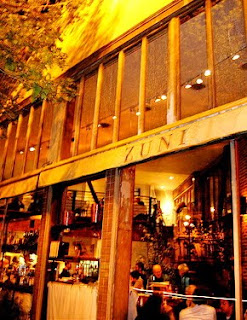
  • I learned long ago that ordering chicken in every restaurant gives you a pretty good idea of how good, bad, or detail oriented every restaurant's chef is. I know why, as a result, Blue Hill in New York, Zuni in San Francisco, and Le Pigeon in Portland are among my favorite restaurants in the country: they do chicken right.
  • Chicken loves bottled company, and picking a good one is not one of life’s most difficult tasks. The great thing about chicken, of course, is that there are 1,001 ways to cook it; and undoubtedly a 1,001 different wines to go with it. Well, probably more than that. But for someone with as catholic a taste as mine, this is heaven, plain and simple.
Chicken must be eaten with wine because that’s what elevates it no matter how it’s made. No one breathlessly writes home to say, "I found the perfect tea for har yee kai” (“beggar’s” chicken); or that "the classic Creole fried chicken beverage is a Big Gulp." But they do say that Bourgogne rouge is the natural match for coq au vin; and that a good barbera, or else Chianti, makes as much sense with cacciatore as coffee with a doughnut. Some things you gots to have it.

So what do you say? Let’s share some favorite chicken and wine matches. I’ll start with mine:

Chicken Cacciatore

The familial Italian chicken is cooked either with tomatoes, herbs and white wine, or braised with black olives and anchovy – or sometimes all of it at once. Tuscany’s Chianti Classico and Brunello di Montalcino, which are made from the red sangiovese grape, have the natural acidity and cherry tomato-like fruitiness to strike the perfect balance with this style of chicken. Of those from Chianti Classico, I look for Castello di Ama, Fonterutoli, Fontodi, La Massa, Emma and Badia a Colitbuono; and from Montalcino, some of the greatest heights are reached by La Magia, Barbi and Altesino. But still, fine sangiovese based reds don’t have to come from one of those chichi producers of Tuscany.

Other excellent, and often exceptionally well priced, sangiovese style wines from Italy include those from the regions of Carmignano (Capezzana makes a bunch of delicious ones), Sangiovese di Romagna (Zerbina’s a terrific value), Morellino di Scansano (Aia Vecchia and Fattoria le Pupille’s are full and velvety), Rosso di Montalcino (I like Uccelliera and Rosso di Casanova di Neri’s), and the illustrious, yet still reasonably priced Vino Nobile de Montepulciano (my favorites being Avignonesi and Poliziano).

Barring that, there are other red wine grapes – notably barbera and dolcetto – cultivated in both Italy and California (and bottled by the names of the grape in both places) that offer soft, zesty edged fruit qualities similar to sangiovese, making as effortless a match with cacciatore style chicken as the red wines of Tuscany.

Coq au Vin Blanc

Chicken simmered in red wine, bacon, pearl onions, mushrooms and garlic cloves is wonderful with red pinot noir from France, California, Oregon, or any place you can find soft, silky examples of this naturally earthy-spicy red wine. But for coq au "vin blanc" – substituting white wine for red in the cooking – I’ve found that the better match is a dry white wine with a modicum of stony earthiness, without the weighty fruitiness that is more typical of California’s popular chardonnays, without the lemony sharp edge of typical sauvignon (or fumé) blancs, and without the perfumey fruitiness of, say, riesling or moscato.

So for me, the classic chicken-in-white-wine matches come from France: the round, mineral and smoke nuanced whites of Burgundy’s Mâcon (think Verget’s Saint-Véran or Robert-Denogent’s Pouilly-Fuissé) and Côte de Beaune (like Marc Colin’s Saint-Aubin, or the Meursaults by Pierre Morey or Francois Jobard). Even stonier are the smoothly dry bottlings of pinot blanc and pinot d’Alsace of Alsace (those of Marcel Deiss, Charles Schleret, Kuentz-Bas and Ostertag being strongest in the terroir qualities a coq a vin blanc loves).

In California, not all chardonnays are distractingly fruity. In the cooler climates like the Sonoma Coast and Santa Barbara, there are some crisp styles with mineral qualities being produced (especially those by Au Bon Climat, Tandem, Keller, Neyers, DuNah, Porter-Bass, and Dutton-Goldfield’s Rued Vineyard); and you’ll find similar, moderately scaled chardonnays in Oregon (by Argyle, Eola Hills, King Estate, and best of all, Ken Wright and Seven Springs) as well as in Washington State (those of Woodward Canyon, Amavi, Abeja, Januik and even Château Ste. Michelle are always among the best).

But who says the world of coq au vin blanc turns around chardonnay? The pinot blancs of California (those of Chalone, Au Bon Climat and J. Wilkes, for starters) as well as Oregon (WillaKenzie’s and Ken Wright’s are as good as it gets, although Foris makes a nifty little one in the south side of the state) fulfill the same culinary need when it calls for a white wine that’s not too heavy, not too light, not too tart, and not too soft or fruity.

Lemon or Ginger Chicken

The familiar Chinese style dishes – in sweet /sour lemon sauces, or steamed with ginger and garlic – call for more exotically perfumed white wines that combine both acidity and traces of residual sugar. But this does not mean, as often assumed, that the best choice is gewürztraminer – a lychee scented white wine that has a tendency towards low acid and slightly bitter qualities (as commonly found in the gewürztraminers of France’s Alsace, and many of the dryer styles of California). Heavy, bitter styles of gewürztraminer have a tendency to taste unbearably harsh with sweet/sour dishes, and the dishes sweeter and more sour than necessary.

The best white wine for strongly flavored Chinese styles of chicken is riesling; lush enough to merge seamlessly with gingery spices, and feathery fine, gentle and balanced enough to echo sweet/sour notes. The lightest yet most intensely scented and refined rieslings in the world come from Germany; particularly the kabinett quality styles from the regions of the Mosel-Saar-Ruwer (strictly personal favorites: Weins-Prüm, Mönchhof, Loosen, Milz, Selbach-Oster, Zilliken, von Hövel, and von Schubert), Rheingau (Weil, Künstler, and Kesseler), Rheinhessen (Gunderloch), and Pfalz (Burklin-Wolf, Pfeffingen, or von Bassermann-Jordan).

In Washington State, Chateau Ste. Michelle has been turning out fresh, balanced, lusciously fruited rieslings since the ‘70s, although Pacific Rim (sourcing in Washington’s Columbia Valley) and Oregon’s Chehalem are undoubtedly making the finest rieslings in the Northwest today. In the Southern Hemisphere, the rieslings by Leeuwin Estate in Western Australia and Villa Maria in New Zealand are wonderful, tropical-scented whites showing just hints of sweetness, balanced by enough zesty acidity to harmonize with sweet/salty/spicy/gingery Asian style chickens.


Chicken Etoufée

In North America, and around the world for that matter, the Cajun-Creole style of casserole chicken may very well reign supreme. Versions such as Paul Prudhomme's – given great density (but not overly thickened) by roux, the "holy trinity" of onions, bell peppers and celery, and a dozen or so other spices and seasonings – are both complex and mercilessly intense. For something so good, the only thing to drink with it is a great wine

Etoufée likes wines equal to it in depth, heft, and layers of spice. This would mean a good red wine, but not one with a dry, hard taste that would deaden the palate; and the wine that best fits this description is California’s zinfandel – especially the velvety, peppery-cinnamon-and-clove, berry jam-like scented zinfandels produced in Sonoma by the likes of Carol Shelton, Quivira and Ridge.

Of those from Napa Valley, zinfandel fanatics swear by Robert Biale and Turley Wine Cellars, although my current fave-raves are those of Tres Sabores and Frog’s Leap. Sourcing from other parts of the state, producers like Neyers, Rosenblum, Cosentino, St. Amant, Jesse’s Grove, Macchia, Michael-David (especially their Earthquake), Cedarville, Perry Creek, C.G. di Arie and Miraflores makes outstanding all-American styles – big, brash, unabashedly fruity – for this all-American style of chicken.


Chicken Paprikas

The late Roy Andries de Groot once proclaimed his recipe for Hungarian style of chicken – browned with goose fat, then braised with onions, garlic and, finally, a sauce pigmented by generous doses of the mildly spiced paprika chile before thickened in the end with sour cream – as one of the most glorious dishes in the world, and I can’t say I disagree (look for my favorite recipe at the end of this post).

For paprika laced chicken, de Groot’s classic choice was always a lovingly cellared, old French Bordeaux or California cabernet sauvignon – soft, yet rich enough to absorb the avalanche of sweet, spicy, succulent flavors in paprikas style chicken. The problem being, de Groot’s idea of “cellaring” was a vintage at least 20 or 25 years old. Most of us zip down to the nearest liquor or grocery store to pick up our wine to drink tonight, and we’re lucky if it’s more than three years old.

So in lieu of something cellared, I recommend a soft, luxuriously fruited, California grown red wine made from the merlot grape (Salexis, Selene, Swanson, Neyers and Peju’s are five that continue to stir my old passions for the grape); or else one of elegant yet dense, juicy “Bordeaux” style blends of merlot, cabernet sauvignon and cabernet franc from California (some new and old favorites: Robert Sinskey’s Marcien, Lang & Reed’s Right Bank, Murphy-Goode’s All In and Wild Card Clarets, Worthy’s Sophia’s Cuvée, Justin’s Justification and Isosceles, St. Supery’s Élu, and Babcock’s Fathom) or Washington (where Va Piano’s Bruno’s Blend, Sleight of Hand’s The Illusionist, and the sangiovese laced Manina Cali and Long Shadows Saggi are my current faves).


OUR FAVORITE CHICKEN RECIPES

My experience of lemon and ginger chicken dishes is deeply ingrained in the Chinese restaurant experiences of my younger days in the Hawaiian islands, and recipes for these are found all over the net. For the best chicken cacciatore, I strongly recommend Marcella Hazan’s The Classic Italian Cookbook: and for classic chicken etoufée, I don’t see how anyone can go wrong with the recipe in Chef Paul Prudhomme’s Louisiana Kitchen.

For other classic wine matches, we’ve improvised own versions of older recipes over the years. To of those favorites:


Rihana’s Coq au Vin Blanc

8 pieces chicken thighs (mostly) and legs (or one 5 lb. chicken, cut in serving pieces)
24-30 pearl onions
Salt and fresh ground black pepper
6 oz. bacon strips or slab, squared or cubed
8 oz. button mushrooms, quartered
1 tbsp. unsalted butter
1 bottle (750 ml.) white wine (inexpensive chardonnay will do)
1 medium yellow onion, quartered
2 stalks celery, quartered
2 medium carrots, quartered
3 cloves garlic, crushed
6-8 springs fresh thyme
1 bay leaf
2 cups chicken stock or broth

Cut off root end of each pearl onion and make an “x” with knife in its place. Bring 2-3 cups water to boil and drop in the onions for 1 minute. Remove onions from pot, allow to cool, and peel (onions should slide right out of skin). Set aside.

Blanch bacon briefly in boiling water; drain, and dice or cube. Fry to render fat; remove meat and set aside, and save fat for frying.

Sprinkle chicken pieces on all sides with salt and ground pepper. Place chicken pieces, a few at a time, into a large (1-2 gallon) sealable plastic bag along with flour; shake to coat chicken completely. Remove chicken from bag, and fry in bacon fat, just until crust is crisp. Set chicken pieces aside.

In same pan, add pearl onions to fat, sprinkle with salt and pepper, sautéing until lightly brown (approximately 8-10 minutes). Remove onions from pan and set aside. Transfer chicken into a 7-8 quart enameled cast (like Le Creuset) or cast iron Dutch oven.

Add mushrooms to the same 12 inch sauté pan, adding 1 tbsp. butter if needed, and sauté until liquid is released (approximately 5 minutes). Store onions, mushrooms and bacon in airtight container in the refrigerator until ready to use.

Pour off remaining fat and deglaze pan with approximately 1 cup of wine. Pour this into Dutch oven along with chicken stock, quartered onion, carrots, celery, garlic, thyme and bay leaf. Add all of the remaining wine. Preheat oven to 325° F.

Place chicken in oven and cook for 2 to 2-1/2 hours, or until chicken is tender. Maintain a very gentle simmer and stir occasionally.

Once chicken is done, remove it to a heatproof container, cover, and place in oven to keep warm. Strain the sauce in a sieve and degrease (discard carrots, celery, thyme, garlic and bay leaf). Return the sauce to a pot, place over medium heat, and reduce by 1/3 (depending on how much liquid you began with, this should take 20-45 minutes).

When sauce has thickened, add pearl onions, mushrooms and bacon, and cook another 15 minutes or until heated through. Taste and adjust seasonings if necessary; remove from heat, add the chicken and serve.

Serve from Dutch oven with either long grained white rice or lightly buttered egg noodles. (note: if sauce is not thick enough at the end of reducing, you may add a mixture of equal parts butter and flour kneaded together, starting with 1 tbsp. each; whisk this in the sauce for 4-5 minutes, and repeat if necessary).


Chicken Paprikas

Over the years we have taken some necessary liberties with Roy Andries de Groot’s original recipe (we don’t, for instance, usually have the goose fat called for in his Feasts for All Seasons handy); and of course, the variations come every time the chicken hits the pot. This is, however, a close approximation:

1 whole 4-5 lb. chicken, disjointed (thighs and back necessary for flavor)
3 tbs. unsalted sweet butter
1 lemon
2 large sweet onions, finely chopped
6 large white mushrooms, thinly sliced
4 thin slices pancetta (or two strips thick bacon), sliced in squares
1/2 cup white wine
3/4 cup chicken stock
Half bunch Italian parsley, chopped
Hungarian sweet paprika
Olive oil
Ground peppercorns and salt to taste
1 pint sour cream
10-12 oz. wide egg noodles

Rub chicken pieces with salt and juice of halved lemon, and set aside. In a large pot (preferably cast iron or Le Creuset), brown pancetta or bacon with drop of olive oil over medium heat. Add butter, and when melted sauté the onions and garlic until wilted. Add paprika (2 to 3 tbsp.) and stir into onion mix until it attains a fiery red color. Immediately add chicken pieces two or three at a time, browning them until both sides are impregnated with the paprika. Add sliced mushrooms, followed by white wine (burn off some alcohol), and then chicken stock. Lower temperature, cover pot with lid, and let it simmer for about 45-60 minutes, smelling the wafting perfume while enjoying a glass of merlot.

Remove chicken pieces, and stir in sour cream until the sauce reaches a creamy consistency, adjusting seasonings to taste. Add back chicken pieces, stir in most of chopped parsley, and over low temperature let pot stew for final ten to fifteen minutes while egg noodles are boiled al dente.

When noodles are drained, place in large, wide bowl and coat with half of paprika cream sauce; lay chicken pieces over noodles and top with rest of sauce. Garnish with rest of chopped parsley, and serve.

Thursday, October 22, 2009

Red wine with fish revisited

The concept, red wine with fish, is now as firmly entrenched in culinary phraseology as red wine with meat and white wine with fish. Exactly how does this work, and why?

To get a handle on this, you need to go back to the basic methodology first explicated some twenty years ago by David Rosengarten and Joshua Wesson in their book, Red Wine with Fish (sadly out of print today), based on the premise that all wines and foods find their match in two basic ways:

Similarities - When there are similar taste sensations in both a dish and a wine (example: the buttery sauce in a fish dish enhanced by the creamy or buttery texture of an oak barrel fermented white wine)

Contrasts - When sensations in a wine contrast with sensations in a dish to positive effect (example: the sweetness of a white wine balancing the saltiness of a dish like ham or cured sausage, and vice-versa)

The how’s, in the simplest way I can put it:
  • Since more than anything, it is the bitter or hard tannin components found mostly in red wine that are obstacles to matching fish or shellfish (i.e. excessive contrast, like ketchup on ice cream), you turn to red wines with soft or almost no tannin to speak of.
  • Since almost all fish and shellfish like wines with some degree of acidity (i.e. complimenting contrast, like lemon squeezed on a filet, or walnuts on a sundae), you utilize red wines with at least a modicum of tartness.
  • Since red wines are indeed best with meatier dishes, you apply this principle to meatier, as opposed to delicate, types of fish (going for heightened similarity, like syrup on ice cream)
  • Since many dishes we eat are sums of their parts (example: a banana-cherry-walnuts-hot fudge-whipped cream sundae as opposed to a plain scoop of vanilla), we increase the chances of successful red wine matching by cooking our seafood with ingredients or techniques that are more likely to match red rather than white wines in terms of similarity and contrast.
  • Since red wines, by nature (i.e. fermented with skins, as opposed to whites which are not), are more complex than white wines, we go one step further in our food preparation by consciously utilizing ingredients with some degree of umami – “delicious,” high amino acid related sensations, which soft, complex styles of red wine such as pinot noir love (re my previous post, Desconstructing Umami).

For those of us in the restaurant business, the option of serving red wine with fish has been just what the doctor ordered because of the current consumer preference for red over white wines. In a multi-course dinner, for example, we can start with a sparkling or white wine with a seafood appetizer course, and then dive directly into a succession of red wines matched with either seafood or red meats.

Then there is the simple fact explaining why: many seafood courses simply taste better with a red rather than white wine; given both the way many red wines are made today (with more emphasis on smoothness of texture and balance of sensations), and the way we and many of our favorite chefs cook seafood today (with lots of red wine matching components). Drinking red wine with fish just makes sense.

Oh, many of us will always have a predilection for thick, heavy tannin, super powered reds like cabernet sauvignon; just like for all the popularity of seafood, we will always love a good, charred, juicy chunk of steak. But if you prefer seafood and at the same time red wines, with sensible guidelines dialed into your own tastes there is no reason why you cannot enjoy a “perfect” match in every meal.

That said, some specific red wine friendly foods we have known and enjoyed well:

All tuna all the time

Seared rare or prepared raw (i.e. variations of sashimi, tartare or poke), the higher grades of Pacific ‘ahi tuna are the seafood lovers’ steak. Because of its red fleshed, high fat meatiness, tuna is one of those fishes that 99% of the time are better matched with red wines than with whites. Negligibly tannic, fruity red wines, like France’s Beaujolais vinified from the gamay noir au jus blanc grape (Joshua Wesson often describes this grape as a “cross dresser” – a red that thinks it’s a white), are natural tuna matches. But when you crust it with bitter peppercorns, char it with grill lines, or dress it up in sauces beefed up with earthy soy, umami rich veal stocks or meaty demi-glace, all of the sudden red wines with stronger tannin underpinnings find balancing notes of similarity.

The all-star choice for tuna, in these post-Sideways days, is of course pinot noir. “Pinot noir with everything” is a mantra in many restaurants today, and for good reason: it is the one grape variety producing reds overlapping into virtually all food types – seafoods, leaner cuts of red meats, playfully cooked “other white” meats looking for moderate tannin, and even salads and appetizers better matched with wines with perceptible underpinnings of acidity.

Charred or smoky salmon

Although pinker, less meaty, and slightly stronger in fish oils than tuna, salmon still falls into a category of fish that are usually better matched with red than white wines. I’d put this percentage of this working at 80%; but when you apply preparations resulting in more aggressive sensations – like smoking, wood roasting or grilling, or crusting with pungent herbs and/or peppercorns – you strike notes of similarity pushing the percentage of successful red wine matching closer to 99%. Particularly pinot noir, a wine best finished in French oak, adding the woodsmoky qualities that amplify the grape’s intrinsic spice qualities.

In the Pacific-Northwest, for instance, pinot noir has long been a cultural gastronomic match as natural as Chianti in Tuscany. Native American inspired, open fire, alder or cedar plank cooked salmon is an easy one; but also other regional inflections such as pan seared salmon finished with wild berry infused demiglace (bringing out the berry perfumed qualities of Oregon grown pinot noir), or salmon glazed with sweetened soy marinades or ponzus reflecting the strong Asian-Pacific influences (both sweet and umami sensations mingling with the grape’s perfumed, earth and spice qualities).

But it’s not just pinot noir that works for salmon. In the past, the Wine Spectator’s Harvey Steiman has made credible cases for fruit forward, zesty edged red zinfandels as natural salmon matches. When the salmon is roasted with, say, herbs like basil, dill or chives, or even finished with sun dried tomato or cheese, the even zestier, woodsy, finely textured red wines vinified from the sangiovese grape (i.e. Chianti Classico, Vino Nobile di Montepulciano or Rosso di Montalcino) might make more sense; as would typically sprightly, floral and spice scented wines made from blaufränkisch (also called lemberger or limberger) from Austria or Eastern Washington. Try salmon simply charcoal grilled with pungent vegetables (squash, fennel, scallions, etc.), and see if even a lower acid, yet soft and smoky nuanced red like Tempranillo (from Spain’s Rioja or Ribera del Duero) doesn’t make a seamless match. Indubitably.

Oysters any way

At the Grand Central Oyster Bar, conveniently esconced in New York’s Grand Central Station, they’ll tell you that a soft, zippy pinot noir is just as good a match for raw oysters as a sharply dry sauvignon blanc. This might not work for you, but if it does it’s because of umami factors – the savory, high amino acid components of oysters combined with propensity of softer tannin, spice and earth nuanced reds like pinot noir to embrace that sensation. But if you’re skeptical, here’s the trick: grill the suckers (over wood or charcoal on a grill topper or just aluminum foil punched with holes), and you’ll find the smoky sensations in both wine and bivalve working in even more delicious synchronicity. But whether you’re consuming oysters by themselves, baked in any number of ways (from high umami bacon to sweet sensation black beans), or adding them to stews or other mediums (like Southern style oyster stuffed steaks), the point is that oysters are a red wine natural – don’t think twice, it’s all right.

Mussels

Like oysters, strongly earthy mussels – even when stewed as it usually is in seafood stock and white wine – are one of those dishes that open up to either crisp dry whites (offering contrasting notes of acidity) or softly textured reds (offering similarities of earth tones). An interesting thing to try is juxtaposing the two wine types, the white served chilled and the red served slightly chilled (60 minutes in the fridge), and you’ll see how Wesson and Rosengarten’s theorem works in two different ways.

Charred scallops

One of the longtime signatures of San Francisco’s Traci Des Jardins is scallops pieced with truffled mash potatoes. She’s also not opposed to browning in butter with smoked bacon and Brussel sprouts, or any ways that arouse the senses with clarity of smell. As far as I’m concerned, whenever scallops are flash charred and scented with earth tones and umami driven sensations they become dishes for pinot noir – especially those from Burgundy in France, where the pinot perfume always seem more sharply defined, the tannins more supple, and the terroir notes more pervasive. When scallops are combined with winey balsamic syrups, cured meats like prosciutto, or pungent vegetables like spinach or mushrooms, they are more likely to respond to finely textured reds like pinot noir.

Mixed seafood dishes

Two of the most famous ways of mixing fish and shellfish together in one dish are in the form of bouillabaisse and cioppino – the former fused together by one of the most elemental of spices, saffron, and the latter a San Francisco treat laced with tomato and wine. Then there are the endless variations of paella – rice dishes also based on saffron and cooking in earthy seafood stocks. Whenever you combine seafoods in these classic ways you are essentially piling on a plethora of high umami components – the one taste sensation that sings most sweetly with soft, multifaceted forms of red wine. Both saffron and tomatoes only intensify the need.


Then there is the universally beloved freshwater crustacean, crawfish: in the recipes that evolved in Louisiana – etoufée and jambalaya – strongly skewed towards red wine friendly ingredients like chopped onions, bell peppers and celery (the Cajun-Creole “holy trinity”), along with umami-rich tomatoes, earthy okra, pungent scallions, and layers upon layers of spices and seasonings that demand the complexity of red, rather than white, wines. The most reliable match? Probably all-American red zinfandels, with their typical jammy sweetness that smooth over strong seasonings, and the wine’s peppercorn spiciness that relates well to Cajun-Creole spices.

None of this is a matter, as Cole Porter put it, of “anything goes,” but rather a matter of what makes sense. If you prefer red wine and you love seafood, then you choose the wines and cook in a way that make it happen, which is just not difficult in these days of hugely variant wines and foodstuffs.


Grandson, James, checking out the crawfish before they hit the pot

Thursday, October 15, 2009

The positive taste of brett in wines and food matching

The line it is drawn, the curse it is cast. One of the controversies that emerged in the 1990s concerns an extremely common, but often glossed over, taste factor in wine called Brettanomyces; often shortened to “brett” in the parlance of winemakers.


Brett is basically one of the many natural species of yeast that begins to make its presence known in red wines after fermentation, while they are aging in the barrel. Although I have found few vintners anxious to discuss it, the winemaking community has long known that Brettanomyces, more than anything else, is largely responsible for the earthy, leathery qualities long associated almost exclusively with European wines, although it is by no means foreign to New World wines.

During all my years of California wine judging, in fact, picking out wines with subtle or excess brett has been as routine as picking out wines with notes of volatile acidity, oxidation, madeirization or hydrogen sulfides. Not too long ago, many wine writers and restaurant/retail professionals were still shamefully misrepresenting this attribute to consumers as aspects of terroir or climat – that is, resulting from unique environmental conditions of specific regions and vineyards – and would speak of it in reverent, and sometimes even mystical, terms.

The “glove leathery” nuances found in red Burgundy, the “sweaty saddle” common in Spanish reds and South-West French reds (like Ribera del Duero, Rioja, Madiran and Saint-Chinian), and even the handsome, leathery complexity common to many of Bordeaux’s grand crus: all of this is essentially the manifestation of a component that oenologists generally classify as a “spoilage” yeast. At worst -- when left uncontrolled in wineries (judicious use of sulfur dioxide is the most effective method of suppressing brett) – Brettanomyces laden wines begin to taste “mousy” or metallic, or else barnyardy and all-too-often, manure-like.

Brett is common to wines coming out of fairly new wine growing regions – like many cold climate grown New Zealand and Australia pinot noirs – where winemakers are just beginning to get a handle on their craft. Yet strong leather, even manure-like manifestations of brett are also common to fairly well established regions, among new and old wineries alike. Examples: cabernet sauvignons coming out of Chile (like the ultra-premium Errazuriz and Domus Aurea), Australia’s Barossa Valley (Torbreck, one of the better known of those producers), as well as California (from Robert Mondavi to Stag’s Leap Wine Cellars). Château Musar from Lebanon’s Bakaa Valley – one of the darlings of the British wine trade – is particularly rife with this character. Even more distressing is the fact that many of these high brett wines retail in the $50 to $100-plus range – as if having this stinky “European” taste qualifies for ultra-premium pricing!

In the nineties Brettanomyces became something of a controversy within winemaking circles when more and more New World producers began to supplement their technology with traditional, Old World methods of vinification: particularly things like natural yeast fermentation, minimal sulfuring and cellar intervention, and greater tolerance of high pH levels (the level of wine’s acidic strength) than previously accepted. In wine judgings, as a result, we would find higher incidents of brett in categories such as “small production pinot noir” (case productions of, say, 500 or less). The goal, of course, was to utilize European style handcrafting to achieve more intense, unbridled natural flavors, particularly when sourced from special vineyards. Letting the terroir, so to speak, speak more loudly in the glass.

I would often find these small batch wines to be very attractive, but many others the opposite – almost repulsive. Why would many vintners deliberately skirt the fine line between subtle and excess brett; between love and hate? My personal theory: because wine writers tend to have a higher tolerance of brett than ordinary consumers (who usually believe whatever writers tell them anyway). If wines that retain, say, French-like or “rubber boot” qualities garner higher ratings from certain well known writers, why not? Do the math: high scores + critical success = greater demand, higher prices and financial success.

This is why you might read about, say, a 2006 Château Grand-Puy-Lacoste ($40-$80 current retail) that is rich, velvety, full of cigarbox and blackcurrant fruit, but also positively oozing with barnyard animal-like aromas and flavors. Yet all you read from Robert Parker (who gives it a 92) are words like “classic crème de cassis,” “pure personality,” and “beautiful density.” Jancis Robinson (who gives it 17.5 out of 20) chimes in with phraseology like “overlay of spice” and “all-over-the-palate experience.” But nary a word about the obvious brett. Why? Like I said, I think most of the better known wine writers either don’t smell it or just don’t care when they do. It’s bad enough (if you don’t enjoy the smell of barnyards in wine) that they’re swaying you by meaningless numerical scores; but when they don’t even mention it in the descriptions… don’t get me started!

Not all writers, of course. One of the more vociferous critics of brett when it occurs in California wines has been Ronn Wiegand, an influential MW/MS. One morning he told me, “As far as I’m concerned, Brettanomyces is a serious flaw that tends to blur grape and regional distinctions. I never really liked it in French wines, and I certainly don’t think it belongs in California wines.”

There has to be some irony to the fact that after many years of being compared unfavorably to French wines, California wines are being knocked when they taste too much like them. David Ramey (pictured, right), one of the California winemakers Wiegand admires most, once shared this perspective with me: “In my experience wines that are known to be made as naturally as possible, like France’s Beaucastel and Pichon-Lalande, are often found to taste ‘better.’ No question, Brettanomyces plays a part in these wines - so where’s the problem?” At the same time, however, Ramey makes it very clear that "it's not a wise commercial policy to make wines with brett for the American market, so we have a zero brett policy here at Ramey Wine Cellars, despite working with native yeasts, high pH's and bottling unfiltered -- the classical means of elevage include techniques that eliminate brett in one's cellar."

Tony Soter, one of the winemakers I admire most, and whose wines at Etude were never been accused of being French-like, takes a more tolerant stance: “This is a sad issue, because it takes all the mystery out of those great French wines that, frankly, I love.” As for his own wines, Soter admits, “I’ve played with Brettanoymyces, although at relatively low levels, because it does compliment a wine somewhat. The point, however, is that ultimately it should be wine drinkers, not writers, who should decide what they like, and whether brett in a wine is good or not.”

In one of his old newsletters (now compiled in his book, Inspiring Thirst), Kermit Lynch went so far as to say that the opposite of a "bretty" wine is the type of sterile, unnatural wine he has long decried, calling the nitpicking of wines with animal, underbrush, leather or even barnyard aromas an insiduous "Attack of the Brett Nerds." Lynch has plenty to beef about because knee-jerk reactions to brett are often confused with earthy yet enthralling manifestations of garrigue - in Southern French wines in particular, time honored distinguishing marks of terroir - with this spoilage yeast; which is easy to do because of sensory similarities (for example, simply rub a twig of fresh rosemary between your fingers, and you'll retain an animal-like smell on your fingers that is pungently organic, and most definitely not brett-related).

And in fact, besides Beaucastel and Pichon-Lalande there are many, many other wines of the world that are produced with subtle qualities of brett that amplify, and thus improve, natural fruit and other organic elements, adding up to magnificent expressions of terroir: for me, the mysteriously deep, dark Madiran by Château Lafitte-Teston immediately comes to mind; so does the massively scaled Domaine de la Granges de Peres from Languedoc, the spice-box scented Gigondas by Domaine du Cayron, the magnificently deep reservas of Spain’s Tinto Pesquera, the powerful yet pillowy textured Falesco Montiano by Italy’s ingenius Riccardo Cotarella, Antinori’s legendary Tignanello, and on the home front, Randall Grahm’s groundbreaking string of Bonny Doon Le Cigare Volants… the hits go on and on.

How does that song go? If loving you is wrong, I don’t want to be right… so maybe we need to take the bull by the horns, and talk about how we can match foods with the finer brett laced wines of the world, working with the yeast to come up with something even more exciting.


IDEAL FOOD MATCHES FOR BRETT NUANCED WINES WE HAVE LOVED

Not only is Brettanomyces a welcome complexity in many wines, its presence can make for some interesting food food matches. Some guidelines and experiences:
  • First, there is probably nothing you can do from a culinary perspective with wines in which brett is way over-the-top – riddled with a pervasive aroma of leather to the detriment of fruitiness, or else a basically unpleasant, barnyardy stink. Excess brett – like excess alcohol, acid, volatile acidity, tannin, oak, or any other elements – will not make a dish taste better, and nothing you can do to a dish might make the wine taste better (and for you “breathers” out there: no amount of time in a decanter will rid a wine of stink either). Unbalanced wines of any sort always have a low percentage chance of working with food.
  • However, wines with subtle brett qualities can be quite useful. I’ve enjoyed softer, moderately scaled reds with leather or even gamy undertones in seafood settings; particularly fish or shellfish with strong marine notes of earthy quality. Who wouldn’t, for instance, prefer a light, snappy sangiovese based red over any white wine with pasta and mussels in an herb scented tomato sauce? Earthy red Bandol is often served with bouillabaisse laced with saffron (one of the most complex earthen spices of all) to delicious effect, especially with dabs of garlicky aioli; and in the Bay Area, I’ve enjoyed some funky, small batch pinot noirs with The City’s many variations of earthy and saline cioppinos.

  • For deeper, sturdier red wines (like cabernet sauvignon, syrah, or Southern French style blends) tinged with brett, gamy meats like venison and leg of lamb are no-brainers, and meaty birds like squab, pigeon, Muscovy duck and even goose are not a bad idea either. But you can play with lightly gamy notes in a wine with any meat, gamy or not, with the use of earthy ingredients such as wild mushrooms, organ meats, bone marrow, lardons or pancetta, homemade sausages, horseradish and fennel, root vegetables, earthy varieties of Chèvre, cumin and tumeric, and in more elegant settings, truffles (and truffle oil), foie gras, or with creative use of the trufflish Mexican delicacy, huitlacoche (corn smut, which I once enjoyed in a ravioli with crimini, spinach and achiote chili sauce).
  • Use of pungent, fatty or chewy organ meats — like tripe (especially cut thick, as in meñudo), liver, kidneys, sweetbreads, tongue, beef tendons, and the rind, belly, feet, chitterlings, trotters and head meat of pork – are all of the right textural and aromatic “stuff” for earth toned wines.
  • Just as use of fruit (fresh or dried) in dressings, finishing sauces, or condiments compliments a gamy meat, it goes a long ways towards brightening the fruit qualities of red wines with low key brett. Vegetables that are naturally sweet (like beets and yams) or slightly sweetened (squash and onions) can do the same.

Some brett-laced wine and food matches we have known and loved:
  • In Berkeley, a succession of mildly gamy 20 year old reds (a Chave Hermitage, followed by a Vieux Télégraphe Châteauneuf-du-Pape and Domaine Tempier Bandol) with a potato casserole generously layered with black truffles
  • At the Joel Palmer House in Dayton, Oregon, a pungent, essence-of-wild three-mushroom tart with a soft, fragrant, yet distinctly leather glovish Adelsheim Willamette Valley Pinot Noir
  • In a South Australian wine country restaurant, a lamb’s brains in mustard sauce with a wildly earthy Rockford Basket Press Shiraz
  • At Bay Wolf in Oakland, a ravioli of wild mushrooms and spinach in an aromatic porcini broth with a lush yet meaty-game nuanced Au Bon Climat Santa Maria Valley Pinot Noir
  • At Matsuhisa in Aspen, an ankimo (monkfish liver) paté with caviar and a bright strawberry, blackberry, pepper and leather laced Torbreck Juveniles (Barossa Valley grenache/shiraz/mataro)
  • At home in the Islands, an oyster stuffed game hen in a ragout of giblets, onions and porcini with a leather-on-lace Allegrini La Grola Valpolicella
  • In one of our Island restaurants, a lusty confit of duck, roasted garlic and offal in a white bean cassoulet with a mild but pungent, unsulfured, unfiltered, un-nothinged Morgon by Foillard
  • In my most recent home in the Rockies, a simple cube steak pan roasted with alderwood smoked salt, cracked pepper and sweet-hot paprika – and finished with a smothering of shallots, mushrooms and red wine deglaze – with Spain’s Dehesa la Granja, brimming with sweet blackberry coated in leather and roasted meat
  • Home again in the Rockies, a saddle sweat scented cumin laced ground bison chili served with Hebrew National dogs and Cheddar; finding a natural match with a virile, suede nuanced and textured Altos las Hormigas Malbec from Argentina
  • One final home remedy – spinach pasta with chopped chorizo and sweet onions in classic, Italian herbed tomato sauce and generous shavings of earthy Pecorino, washed down with a zesty, leather wrapped cherry toned Peppoli Chianti Classico by Antinori
But maybe you don’t dig snails, monkfish liver, lamb’s brains, cioppino, or the taste of Brettanomyces in your wine. That’s your call. After all, in the end that’s all that matters.

Kermit Lynch, the original wine adventurer
(photo by Peter DaSilva, The New York Times)